Oregon rounds out Glacier Excavating’s five-state working range, and Oregon project teams get the same crew, fleet, and built-to-the-documents standard as our home-water clients. If you have an Oregon restoration project out to bid, call (406) 297-3155 or send the scope through our project inquiry form and we will answer straight on fit, mobilization, and season.
The same honesty applies to our record: Glacier’s named projects to date sit in Montana and Idaho, and we serve Oregon through full mobilization rather than a resident project list. The crew that mobilizes has constructed 70,000+ lineal feet of restored stream, 2,500+ engineered structures, and reclamation at 100,000+ cubic yards a season, with Rosgen training throughout and a fisheries-community reputation we protect on every site.
Restoration Services We Build Across Oregon
All four Glacier service lines travel to Oregon projects.
Stream Restoration: Channel reconstruction, constructed riffles, floodplain earthwork, and revegetation built to engineered designs in trout and salmon country.
Bank Stabilization: Vanes, J-hooks, woody debris jams, step pools, and grade controls, placed inside tolerance by a crew with thousands of structures behind it.
Wetland Mitigation: Compliance-spec mitigation and wetland construction: precise grading, microtopography, soil handling, and living material.
Placer Mining Reclamation: Oregon’s own mining legacy left drainages that need valley-scale repair, and reclamation earthwork at production scale is our deepest specialty.
When Oregon Projects Call for Glacier
Oregon restoration spans high-desert streams, mountain rivers, and mined drainages, with fish recovery driving much of the investment east of the Cascades.
Call us for the bid when your project involves:
- Engineered channel geometry, riffle construction, or floodplain rebuilding
- Habitat structure schedules with placement tolerances
- Mitigation-site earthwork against performance standards
- Reclamation of mined or heavily disturbed valley bottoms
- Dewatering, diversion, and fish protection through construction
Talk to us before final design when:
- Constructability, access, or staging questions are still open
- Quantities need a reality check against permitted work windows
- The team wants a builder’s read on material sourcing and sequencing
Why Oregon Project Teams Choose Glacier
The plain case: a specialist crew with verifiable numbers, honest about where it has built and serious about where it builds next.
A record with names behind it: every number we advertise, 70,000+ feet, 2,500+ structures, 100+ acres of new floodplain, comes from our own project history, with the names on our Projects page.
Habitat-grade construction: Rosgen-trained operators, wood-structure fluency, and finish standards that treat habitat as the product, matched to Oregon’s fish-driven project designs.
Deployment-ready operations: owned equipment, a seasoned 12-person crew, and multi-week remote deployments as standard practice. Eastern Oregon reaches us the same way eastern Washington does: schedule, mobilize, build.
A reputation held on water quality: SWPPP-certified personnel, erosion control on every site, and the 2015 Montana AFS award behind Bob’s name. Crew credentials live on our About page.
Fully insured and documented: $1,000,000 coverage with clean submittals and compliance reporting on every project.
Serving Oregon’s Watersheds
Oregon’s restoration priorities run through the John Day, Deschutes, Grande Ronde, and Umatilla country east of the Cascades, through coastal salmon streams, and through drainages carrying dredge-era mining damage that reads just like the valleys we rebuild in Idaho. Projects operate under oversight and standards from bodies including the Oregon Department of Environmental Quality and the state’s watershed restoration programs, alongside tribes and federal land managers.
Oregon rewards contractors who arrive self-sufficient and build clean, because much of its restoration country is remote. That is the condition our company was shaped by. Remote is where we are from.
Glacier serves Oregon as part of a five-state range anchored in Montana, with Washington and Idaho between us and most Oregon project country. Mobilization is planned and priced into the bid transparently, so owners see exactly what distance costs and what it buys.
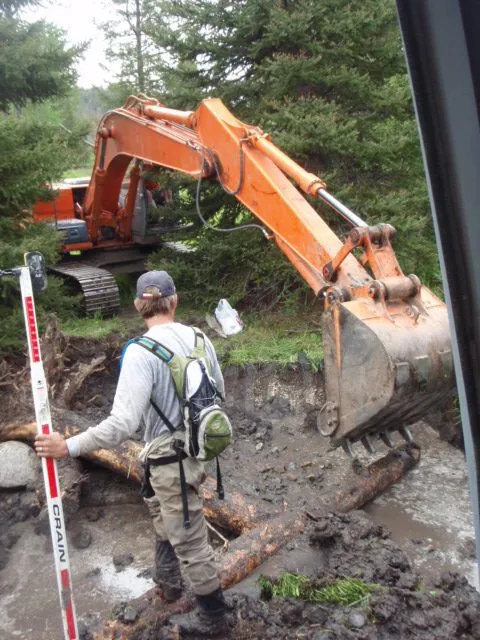
Oregon’s Dredge Legacy Looks Familiar
Eastern Oregon’s mined drainages carry the same signature we rebuild in Idaho: windrowed dredge tailings, streams displaced into ditches, and valley bottoms that quit growing anything a century ago. The John Day country alone holds some of the most recognizable dredge landscapes in the West.
That familiarity is worth real money on a reclamation bid. Our placer program has moved more than half a million cubic yards at sites just like these, building over 25,000 feet of new channel and 100+ acres of floodplain where tailings used to stand. The production rates, material handling assumptions, and sequencing logic in an Oregon reclamation bid from Glacier come from valleys we have already put back together, one state to the east.
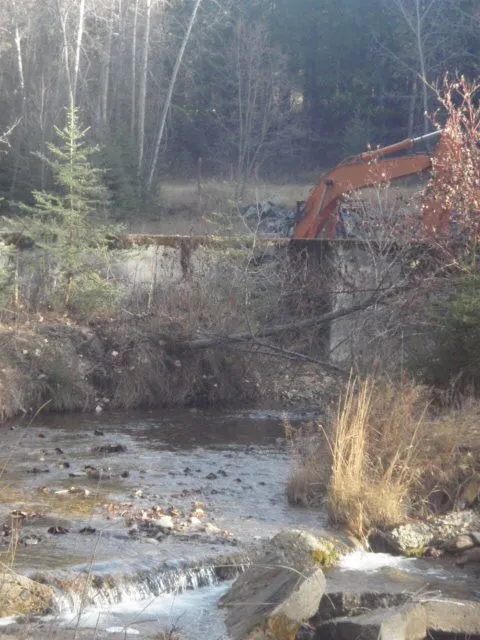
What an Oregon Deployment Looks Like
Oregon is the far end of our range, and we treat that honestly: deployments are planned for the project phase or the season, priced with mobilization as a visible line, and staffed by a crew that arrives with everything it needs. Remote self-sufficiency is not an adjustment for us. It is the shape of our normal season.
On the ground, Oregon projects get standing Glacier procedure: dewatering and diversion planned before the first pass, staging and access on least-disturbance paths, GPS grade control, daily erosion control, and clean coordination with your inspectors and monitoring team through closeout.
How Bidding Works With Glacier in Oregon
Send plans, specifications, and the bid schedule through our contact page, and include the work window and any environmental protocols up front. Bob reads every Oregon package personally and answers with unit pricing from documented production records, or with a straight no if distance and season make the fit wrong.
That candor costs us some Oregon bids and wins the right ones. The projects we do take get the same crew and the same standard that built 70,000 feet of restored stream back home.