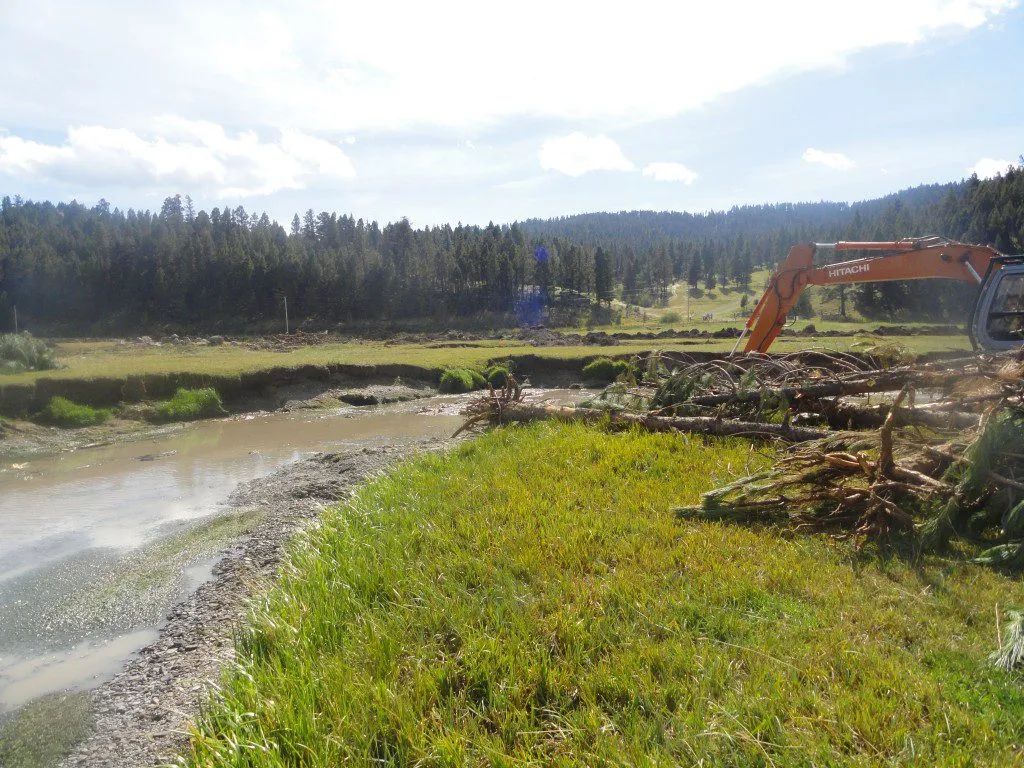
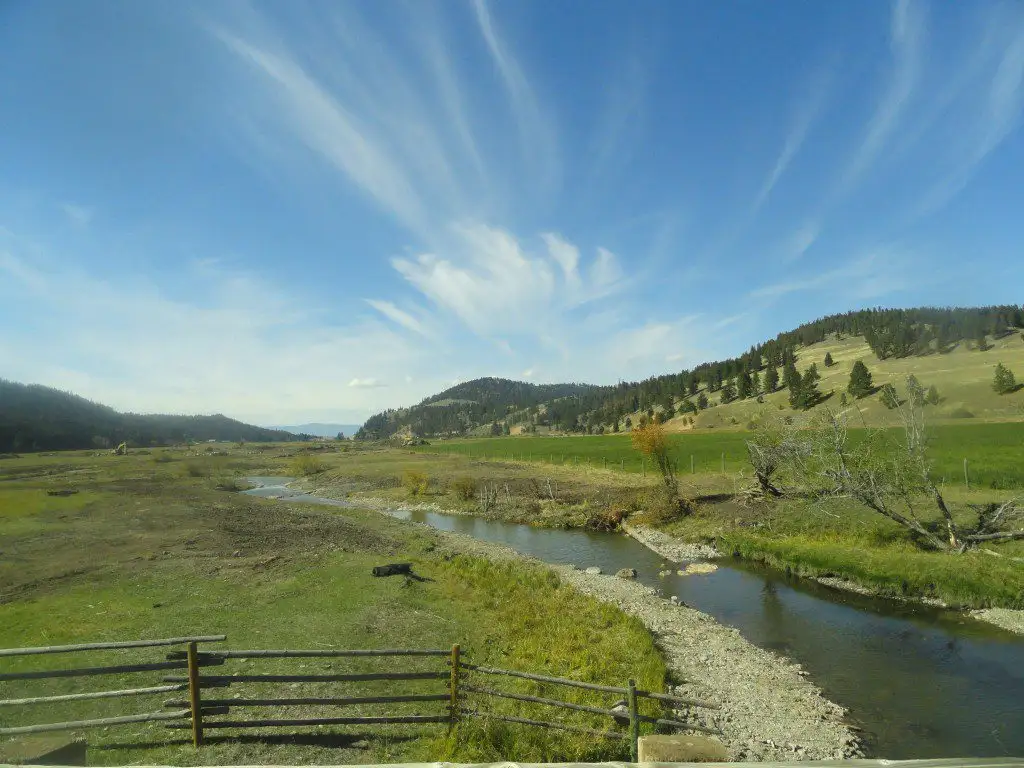
Montana is home water for Glacier Excavating. We are based in Eureka, in the Tobacco Valley, and we have built stream restoration projects across this state since 2004. If you have a Montana restoration project out to bid, call us at (406) 297-3155 or send the scope through our project inquiry form and we will tell you straight whether Glacier is the right crew for it.
The record behind that offer is public and specific. Glacier crews have restored reaches of Rock Creek near Clinton, the Tobacco River, Upper Ninemile Creek, and Grave Creek. We have built at the Upper Blackfoot Mining Complex, repaired the Judith River slide, and constructed projects from the Kootenai country down to the Big Hole. More than 70,000 lineal feet of restored stream and over 2,500 engineered structures stand behind a Montana bid from this company, built by Rosgen-trained operators who live here.
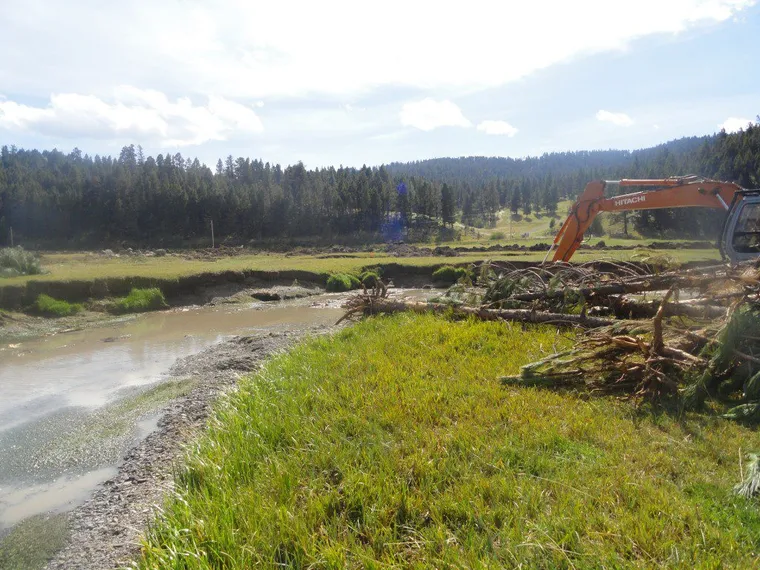
Restoration Services We Build Across Montana
Glacier delivers its full service line everywhere in Montana, from the northwest corner we call home to projects across the Continental Divide.
Stream Restoration: Channel shaping, constructed riffles, floodplain construction, and revegetation built to engineered designs. Montana projects like Rock Creek and Upper Ninemile Creek carry this work, reach after reach.
Bank Stabilization: Log and rock cross vanes, J-hooks, woody debris jams, and boulder grade controls. Montana rivers work hard against their banks, and our structures are built to work back.
Wetland Mitigation: Mitigation site earthwork to compliance specifications, from grading and microtopography through revegetation, on sites like the Swan Lake wetland restoration and the Schrieber Lake mitigation.
Placer Mining Reclamation: Montana’s mining legacy left valleys that need rebuilding. Our reclamation work, including construction at the Upper Blackfoot Mining Complex, has helped return mined ground to functioning river corridor.
When Montana Projects Call for Glacier
Montana restoration work has its own rhythm: snowmelt hydrology, tight summer work windows, and trout fisheries that regulators and communities protect hard. Bring us in when the project shows these signs.
Call us for the bid when your project involves:
- In-channel construction under permit work windows
- Engineered structure schedules with real placement tolerances
- Dewatering, diversion, and fish rescue requirements
- Floodplain or wetland construction to design elevations
- Mine-site reclamation quantities measured in tens of thousands of yards
Talk to us before final design when:
- Constructability questions are still open on access, staging, or materials
- Quantities need a production-rate reality check against the work window
- The project team wants a contractor’s read on sequencing
Either way, the conversation starts the same place: send the documents, and Bob reads them personally.
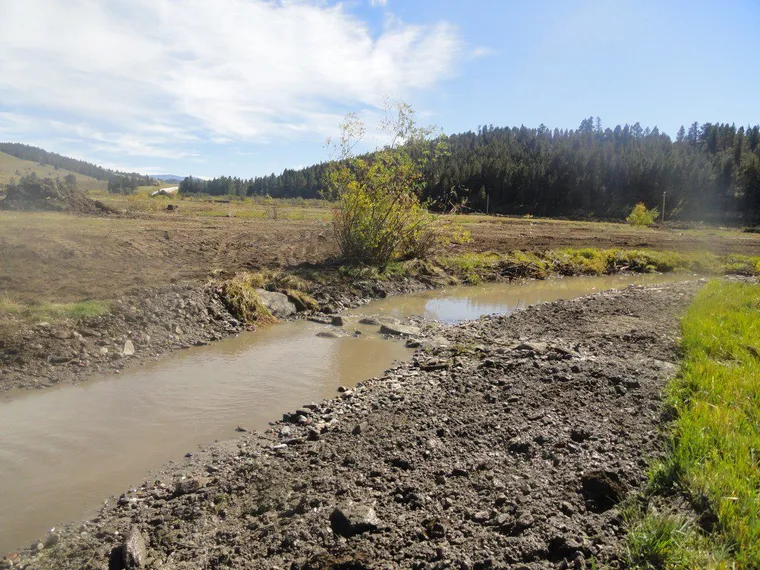
Why Montana Project Teams Choose Glacier
The straight answer is that we are a Montana restoration specialist with two decades of in-state work, and the state’s fisheries community knows us.
Home-state record: Rock Creek, Tobacco River, Upper Ninemile, UBMC, Two Medicine, and more than a dozen other named Montana projects. See them on our Projects page.
Rosgen-trained crew: Bob Cuffe holds Wildland Hydrology Levels I and II; Blaine Hubbard and Trevor Sharron hold Level I. Montana designs speak natural channel design, and so do we.
Recognized by Montana fisheries professionals: the Montana Chapter of the American Fisheries Society gave Bob its 2015 Outstanding Individual Award for contributions to protecting Montana’s fisheries resources.
Local mobilization: based in Eureka, we reach northwest Montana projects from home and mobilize statewide, with about 12 crew members through a work season and equipment we own outright.
Compliance ready: SWPPP-certified crew members, erosion control on every site, and insurance to $1,000,000, with submittals handled by an office that has done this since 2014. The full crew roster is on our About page.
Serving Montana’s Watersheds
Glacier works by watershed, and our Montana map runs wide. In the northwest, we have built in the Kootenai and Tobacco drainages we call home, including the Tobacco River itself and Grave Creek. West-central Montana carries our work on Rock Creek near Clinton and Upper Ninemile Creek in the Clark Fork basin, plus the Upper Blackfoot Mining Complex at the head of the Blackfoot. To the east and south, the record reaches the Judith River, Nevada Creek, Deep Creek, and the Big Hole country around Wisdom and Jackson.
Montana’s restoration economy runs on partnership between agencies, conservation groups, and private owners, with oversight from bodies like the Montana Department of Environmental Quality and Montana Fish, Wildlife & Parks. Our crews have built alongside the US Forest Service, the Montana Department of Transportation, and Trout Unlimited, and we know what each expects from a contractor on the water. Montana holds the headwaters of the Missouri and the Columbia both, and protecting that water while we work in it is the standard we are known for.
Glacier serves all of Montana and the surrounding region, including project work in Idaho and Wyoming. Our Eureka home base puts us hours from most of northwest Montana and positions us to mobilize anywhere in the state for the season.
Working With Montana’s Agencies and Partners
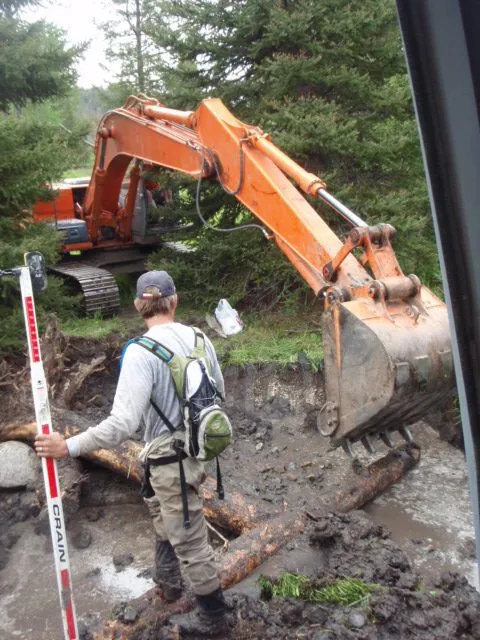
Montana restoration is a partnership economy, and our record shows the partners. Glacier has built projects with the US Forest Service, the Montana Department of Transportation, and Trout Unlimited, alongside private landowners and conservation groups. Bob coordinates directly with oversight personnel and project representatives on every job, from permit confirmation through final documentation, and Marriah keeps submittals and compliance paperwork arriving before anyone has to ask.
That fluency matters at bid time too. A contractor who already knows what a Forest Service inspector expects, or how MDT structures its progress measurement, prices the coordination correctly and delivers it without friction. Twenty years of Montana projects means there are few oversight arrangements we have not already worked inside.
The Crew Your Montana Project Gets
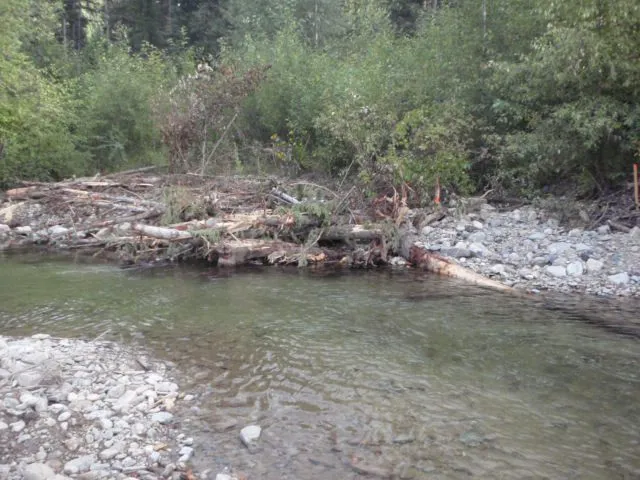
Montana projects get the whole company, because the company lives here. Bob Cuffe runs project coordination and bidding personally, backed by more than two decades of stream restoration and the 2015 AFS award. Blaine Hubbard, project foreman and lead operator since 2012, brings Rosgen Level I training and around 14,000 in-stream hours. Ed Schmit, with Glacier since 2008, carries around 25,000 operator hours and leads rough shaping and finish work. Trevor Sharron and John Grieve fill out the operator bench, and Marriah Miller has kept submittals, payroll reporting, insurance documents, and compliance moving since 2014.
That roster has built together for years, which is why our projects hit their windows. On a Montana job you will see the same faces from mobilization to closeout, and your oversight team will get direct answers from people authorized to give them.
How Bidding Works With Glacier in Montana
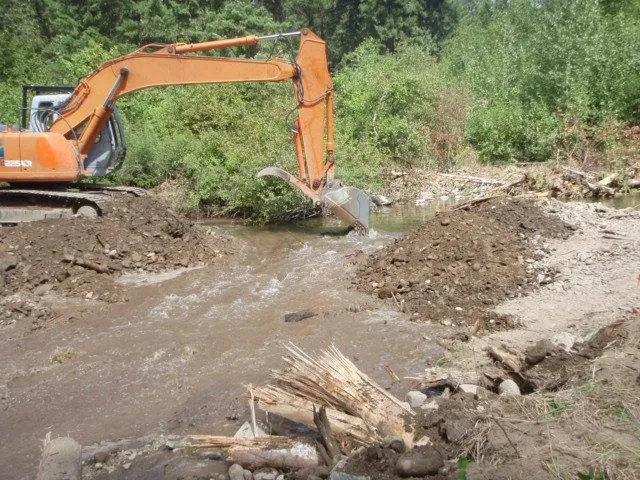
The process is short and personal. Send your plans, specifications, and bid schedule through our contact page or call the office. Bob reads the documents himself, walks the site when the scope warrants it, and returns a line-by-line bid built from the contract documents and our own production records on Montana water.
Expect honesty in both directions. If the work window looks tight for the quantities, we say so at bid time. If another crew fits your project better, we say that too. Montana’s restoration community is small enough that straight answers are the only reputation worth having, and ours took twenty years to build.